
Planning infrastructure for a growing application
Connect application architecture, capacity, recovery and operating responsibility before choosing VPS or cloud resources.
By Suphakorn R. (Managing Director) · 2 min read
Original published · English edition
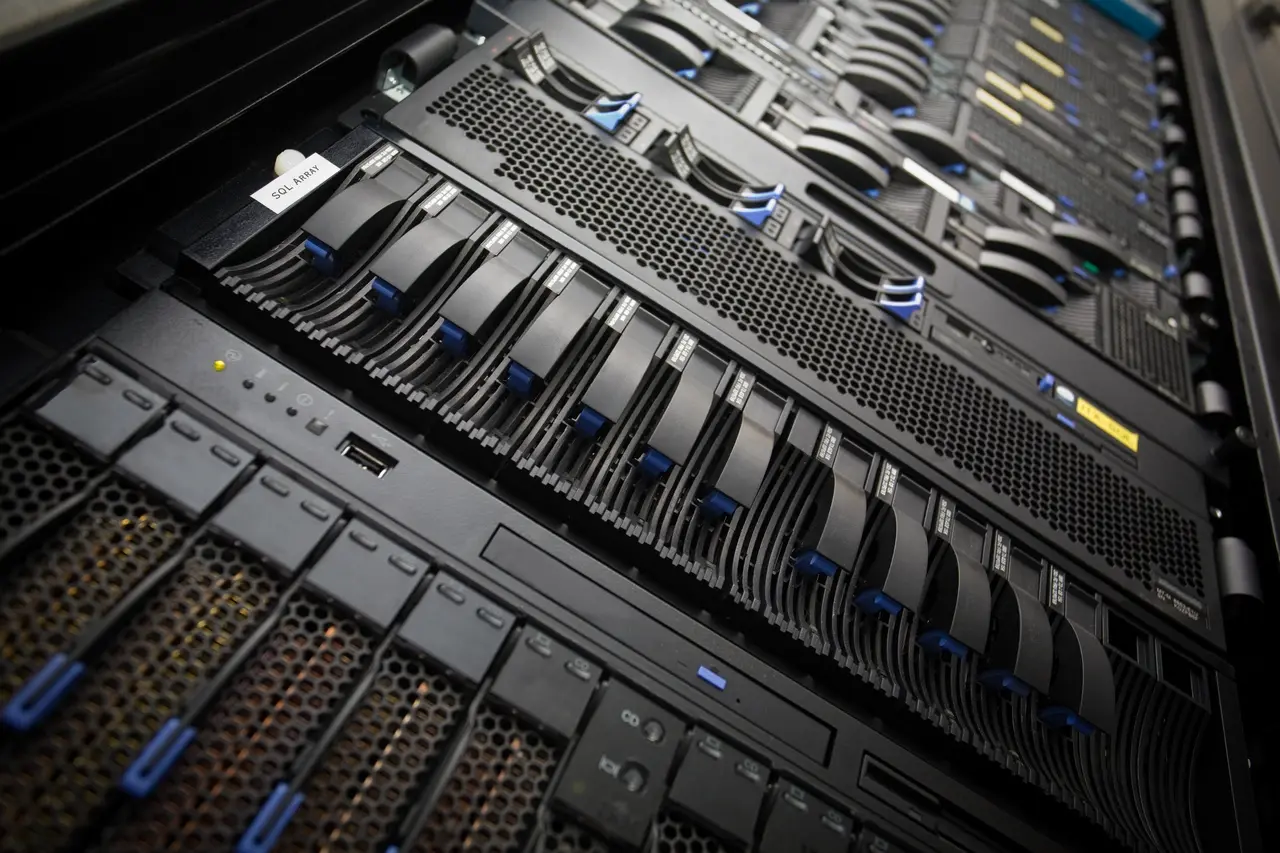
A growing application needs more than a larger virtual server. Its infrastructure should match the way requests are handled, data is stored and failures are recovered.
Separate the responsibilities
Review the application, database, cache, background jobs and file storage as distinct parts of the system. They may have different capacity and availability requirements. Separation is useful when it solves a demonstrated constraint; extra components also create operational work.
Plan traffic and state
A load balancer can distribute suitable traffic across application instances. The application still needs a plan for sessions, uploaded files, background work and database connections. Adding instances does not automatically remove a state or data bottleneck.
Design recovery
Agree what must be backed up, how long recovery may take and how much data loss is acceptable. Test restoration and document the dependencies. Availability and disaster recovery are related but different requirements.
Operate what you build
Include access management, monitoring, logs, patching, certificates and deployment procedures. Define incident responsibilities and how capacity decisions are made. The ongoing effort belongs in the cost comparison alongside compute and storage.
Choose a starting point you can measure
Use expected traffic and representative load tests to establish a baseline, then review production behavior. Keep a path for growth without paying for speculative complexity from the beginning.
UNIXDEV’s cloud service covers assessment, implementation and migration. Managed operations can cover the agreed work after launch. Hosting resources, application changes and support commitments should be explicit in the proposal.