
Linux server operations: articles and guides
Articles on the day-to-day work of running Linux servers, from measuring performance before tuning, tracking CVEs and patching, monitoring with Zabbix and secure remote access with VNC or ngrok, to platforms that run on Linux such as Proxmox VE, Wazuh and Zimbra, moving files into Huawei Cloud OBS with obsutil, and ransomware-resistant backups. For system administrators and IT teams running Linux servers.
Articles on this topic (14)
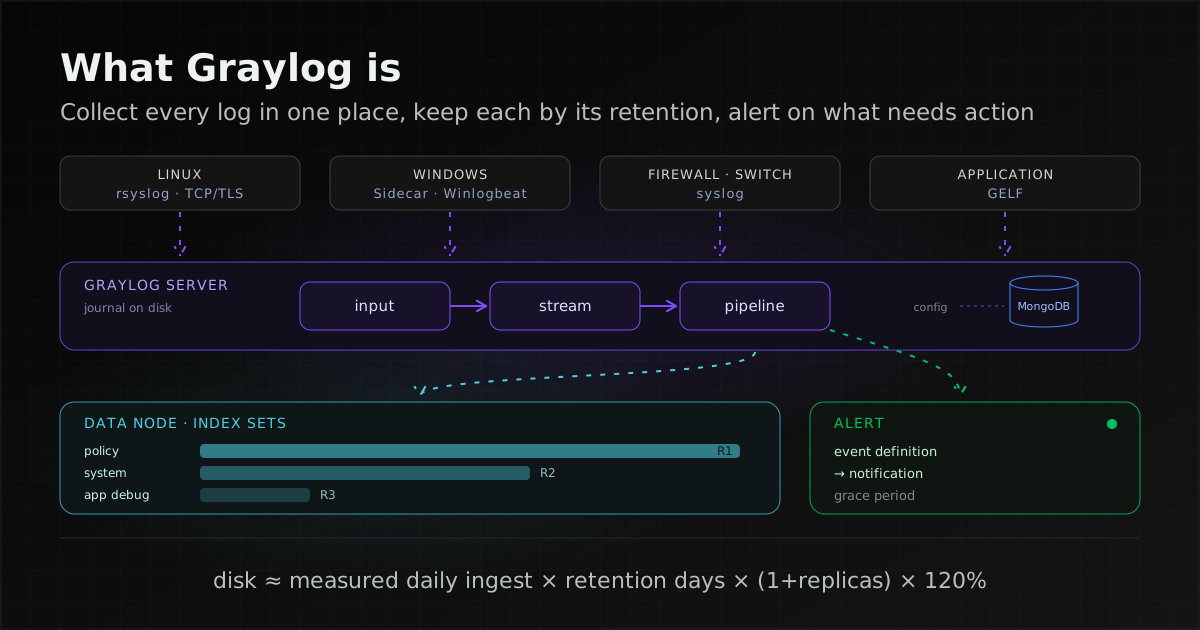
What Graylog is and how to plan central log management
English edition
What Graylog is and how to plan it: components, shipping logs from each source, sizing disk for retention, setting alerts, and what Graylog Open lacks compared with the paid editions.
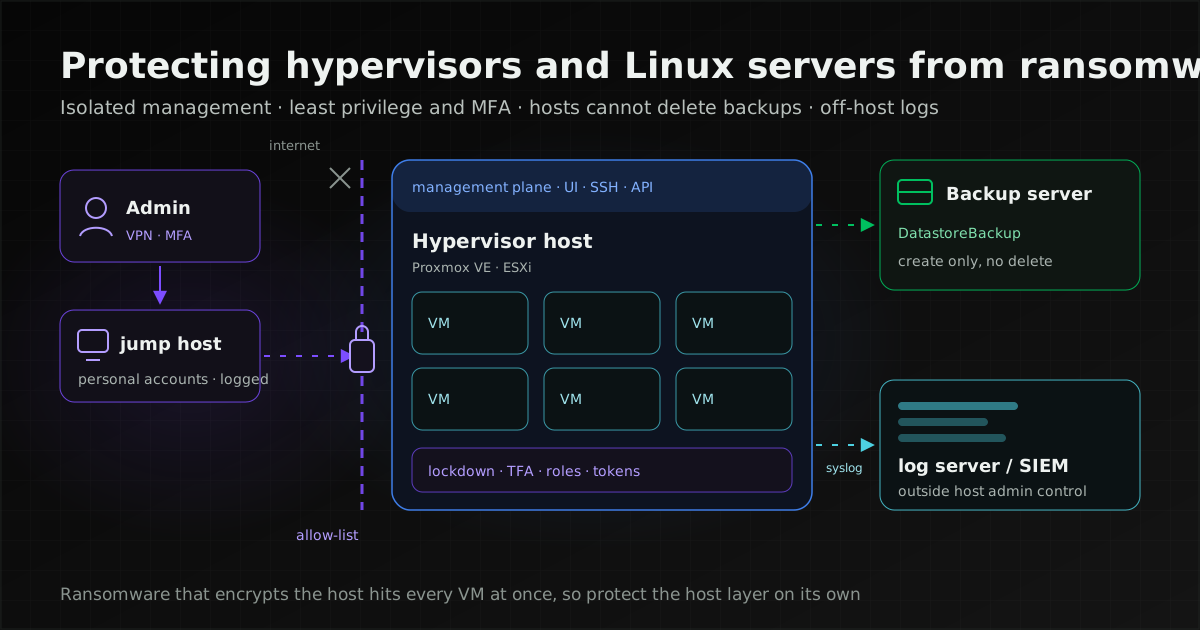
Protecting hypervisors and Linux servers from ransomware
English edition
Hardening ESXi, Proxmox VE and Linux servers against ransomware: isolated management, MFA and roles, lockdown mode, PBS backup rights and host logs.
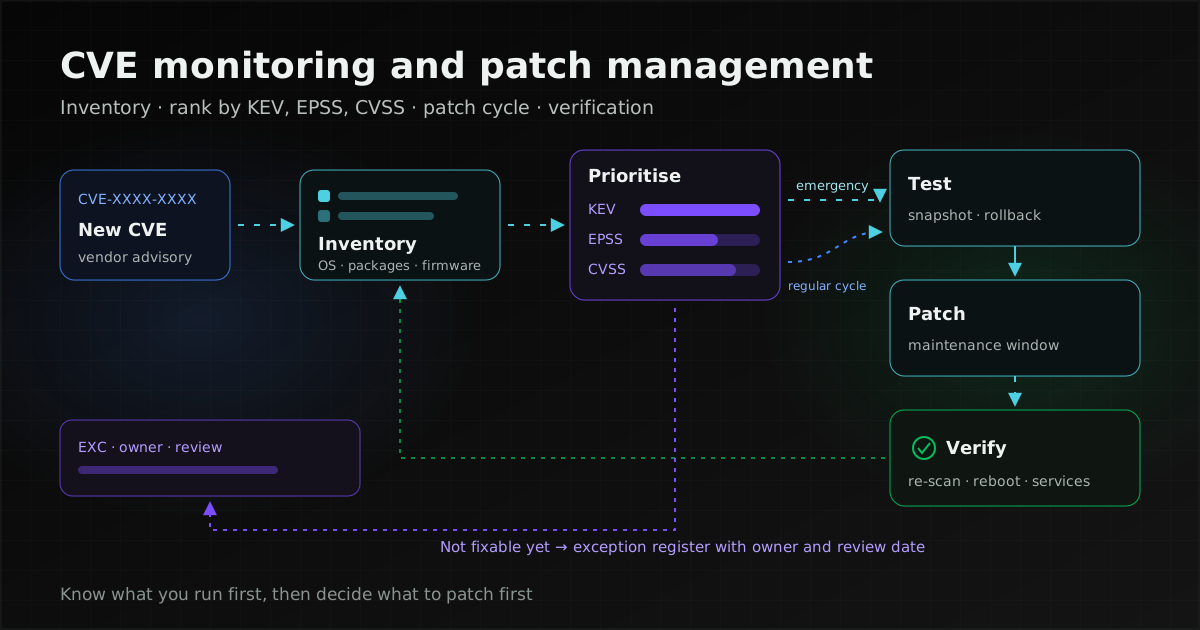
CVE monitoring and patch management: keeping up with new vulnerabilities
English edition
Find out which new CVEs affect your systems, rank patches with CVSS, EPSS and CISA KEV, then patch on a cycle with rollback and verify every fix.
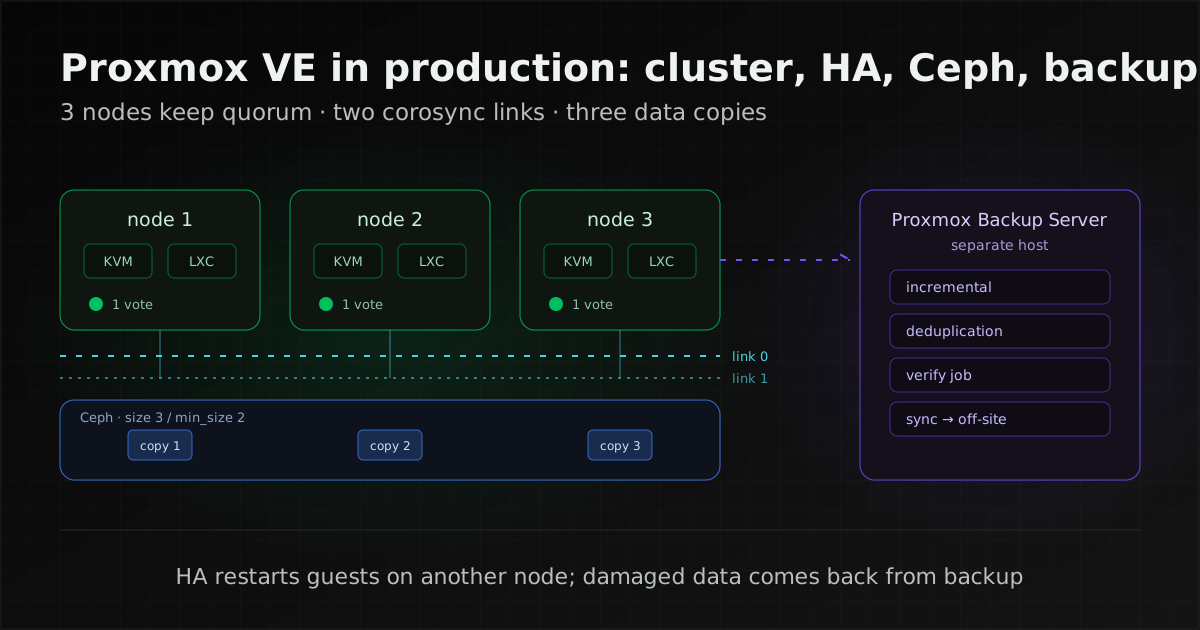
Proxmox VE in production: cluster, HA, Ceph and backup
English edition
Designing a production Proxmox VE cluster: node count, quorum and QDevice, watchdog-fenced HA, Ceph or ZFS replication, backup and a go-live checklist.
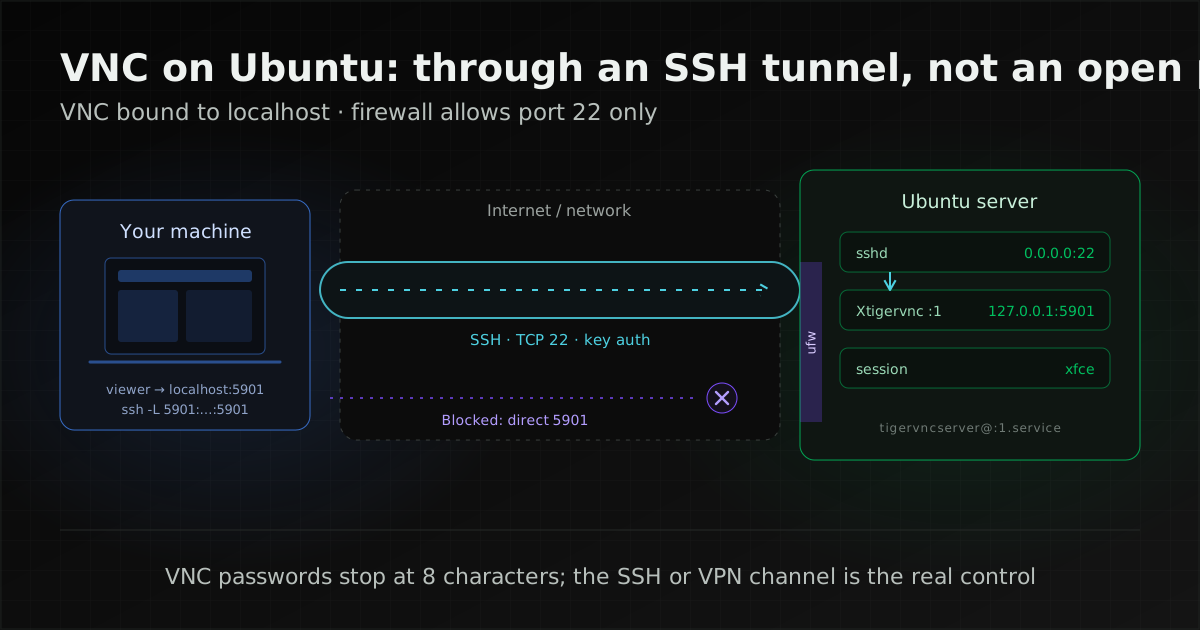
Installing VNC on Ubuntu and accessing it safely
English edition
Install TigerVNC on Ubuntu bound to localhost only, reach it through an SSH tunnel with ufw allowing just SSH, and see what replaced vino and vnc4server.
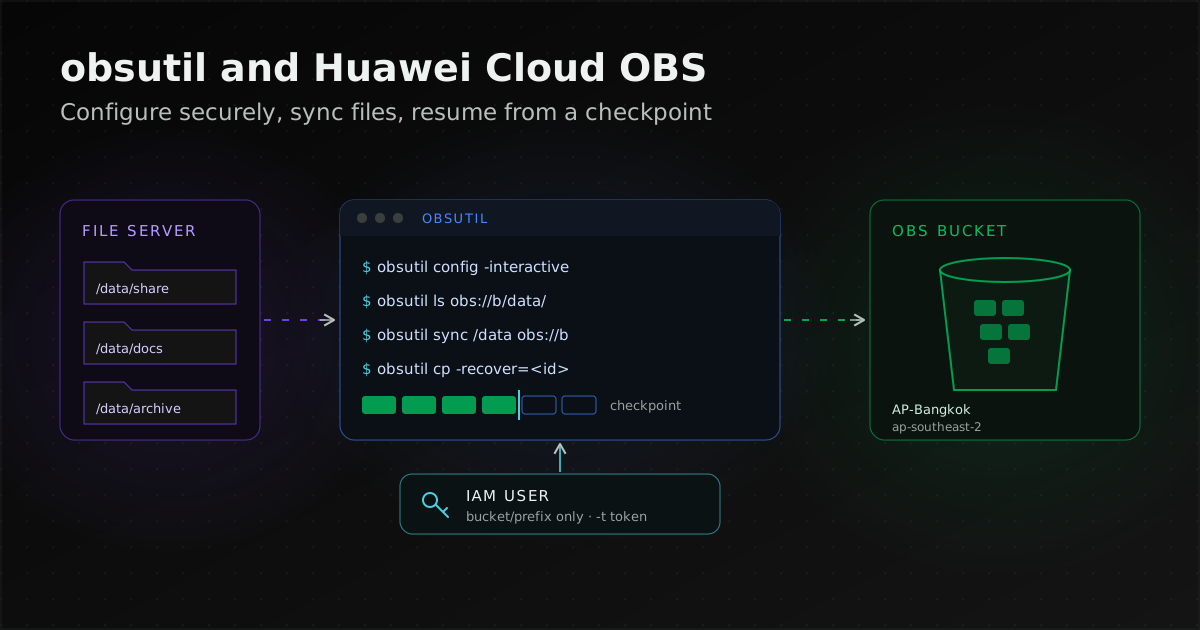
obsutil: moving and managing files in Huawei Cloud OBS
English edition
obsutil is the Huawei Cloud OBS command-line tool: download it, configure the AP-Bangkok endpoint with a least-privilege IAM user, use cp, sync and -recover.
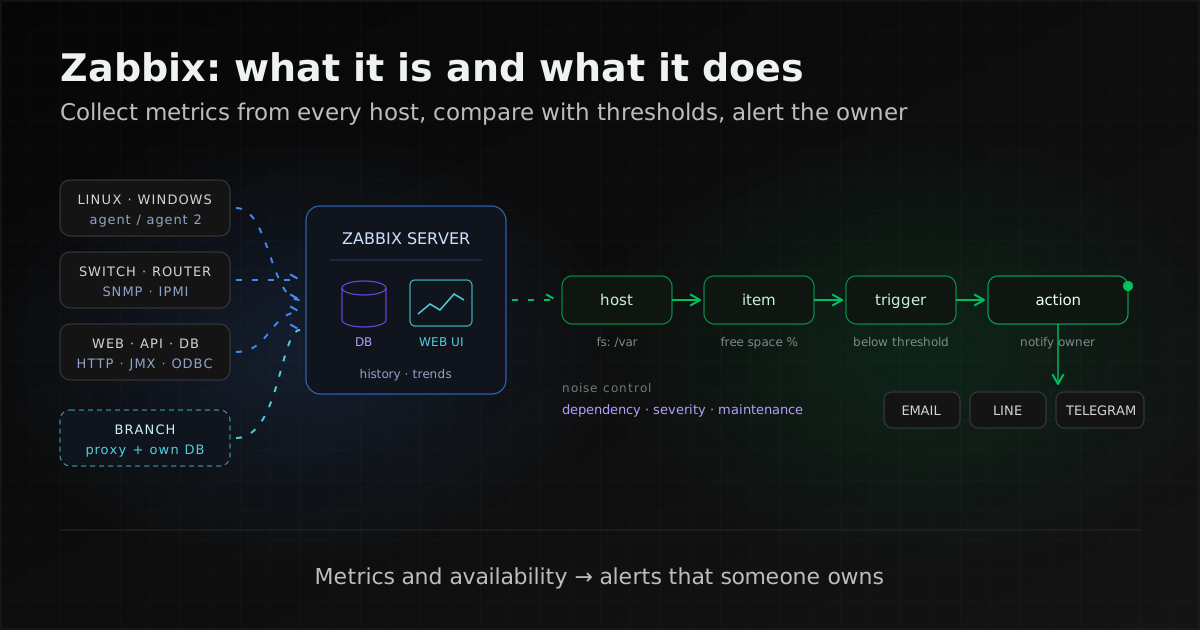
Zabbix explained: what it is, what it does, how to start
English edition
Zabbix is open source monitoring: its components, how alerts work, how it differs from Graylog, which LTS release to run and how to size its database.
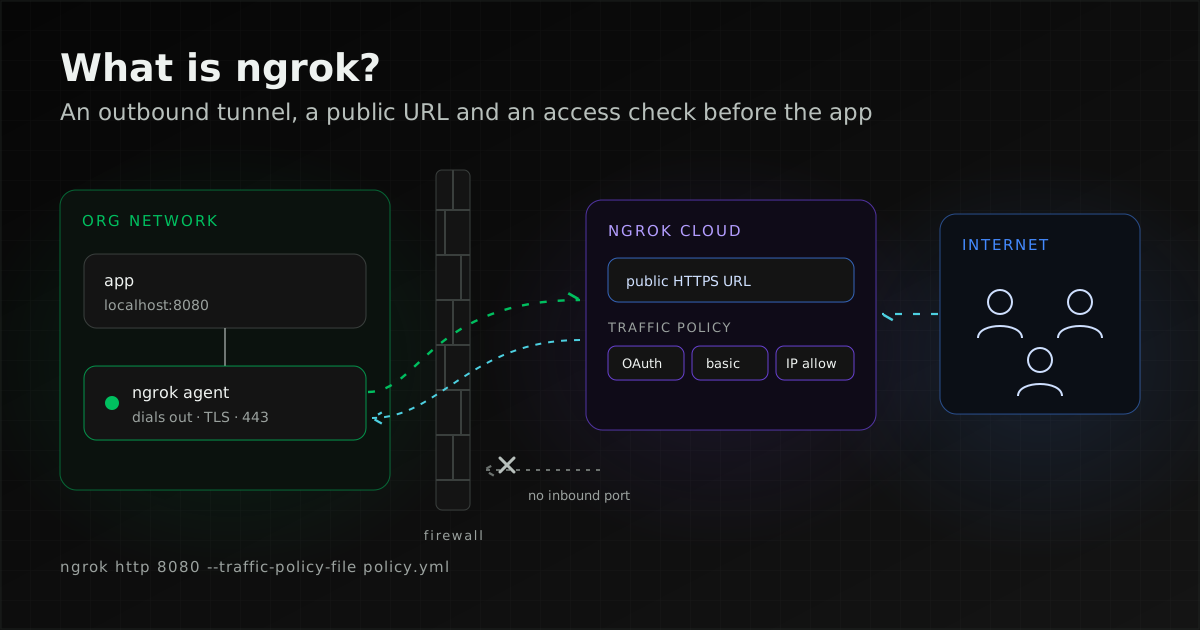
What is ngrok? Using it safely in an organisation
English edition
ngrok gives an app on your machine a public URL without opening a port: how it works, how to use it, risks for organisations, adding auth and alternatives.
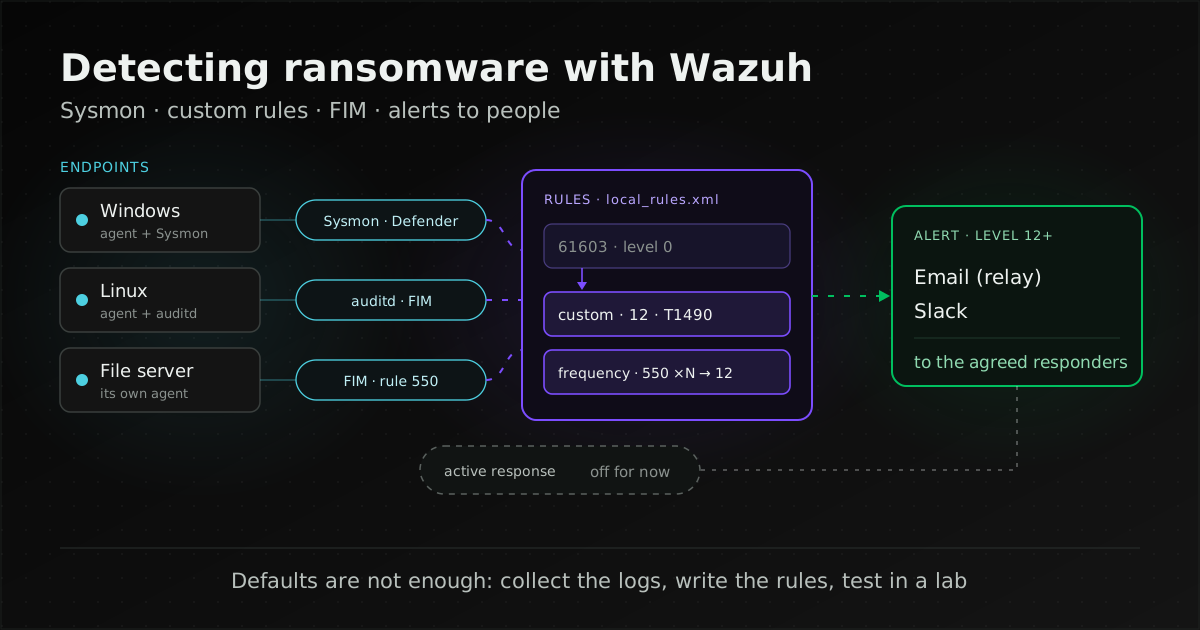
Detecting ransomware with Wazuh: what to configure
English edition
How to configure Wazuh to detect ransomware: Sysmon collection, custom rules for shadow copy deletion, real-time FIM, alert routing and safe lab testing.
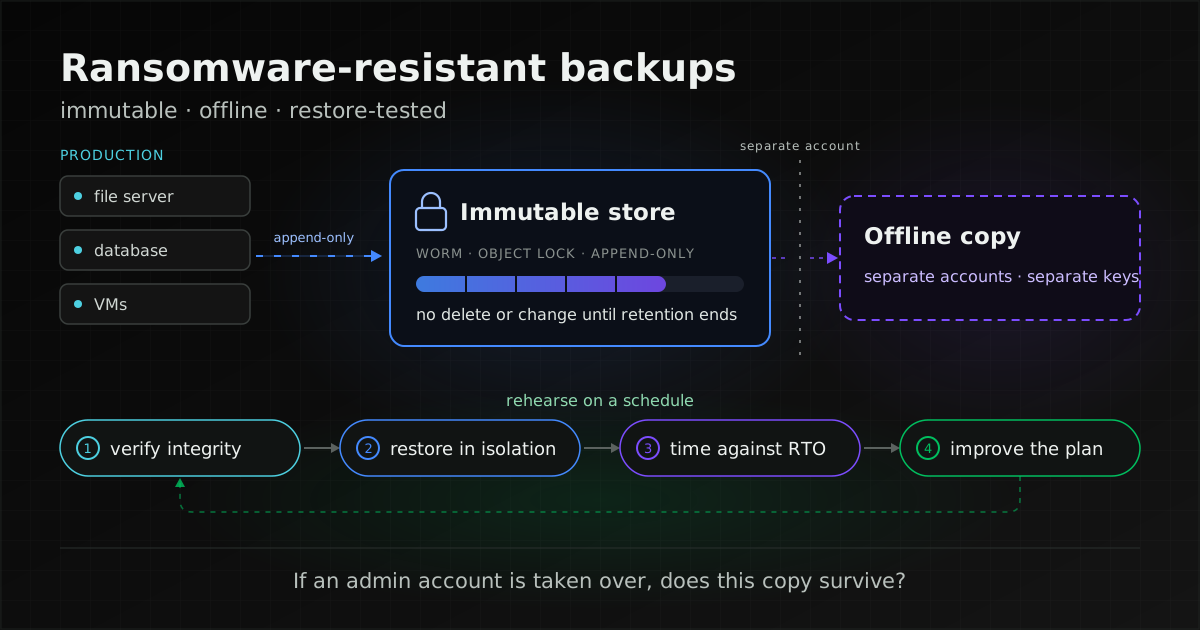
Ransomware-resistant backups: immutable, offline or air-gapped?
English edition
What makes a backup ransomware cannot delete: offline vs air-gapped vs immutable storage such as Object Lock, separate credentials, and restore tests.
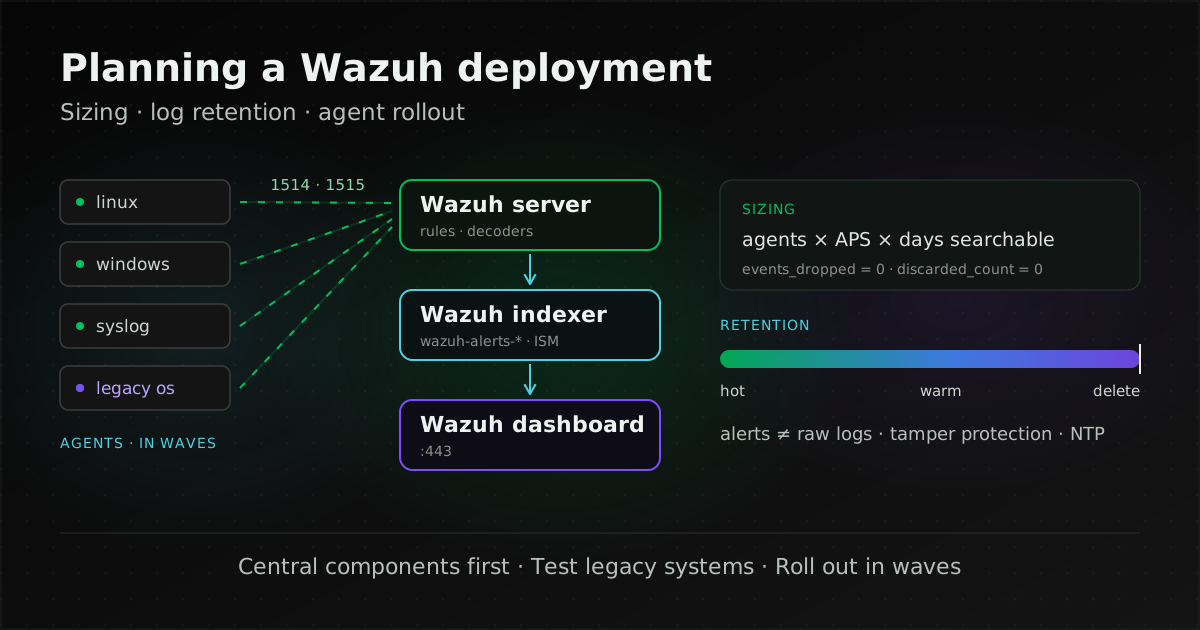
Planning a Wazuh deployment: sizing, retention and agent rollout
English edition
Plan a Wazuh 4.14 install: all-in-one or distributed, sizing by agents and alerts per second, log retention under Thai law, legacy agents, alert noise.
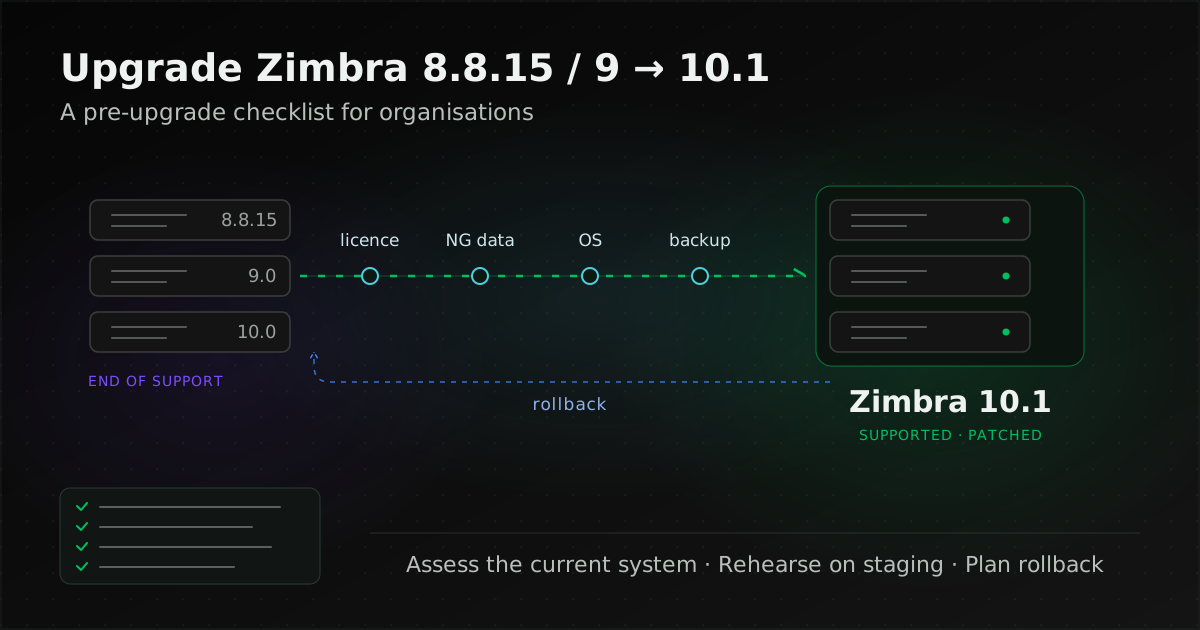
Zimbra 8.8.15/9 end of life: upgrade checklist for 10.1
English edition
Zimbra 8.8.15, 9.0 and 10.0 get no more patches; 10.1 is the supported line. Check the new licence key, NG modules, OS, backups and rollback first.
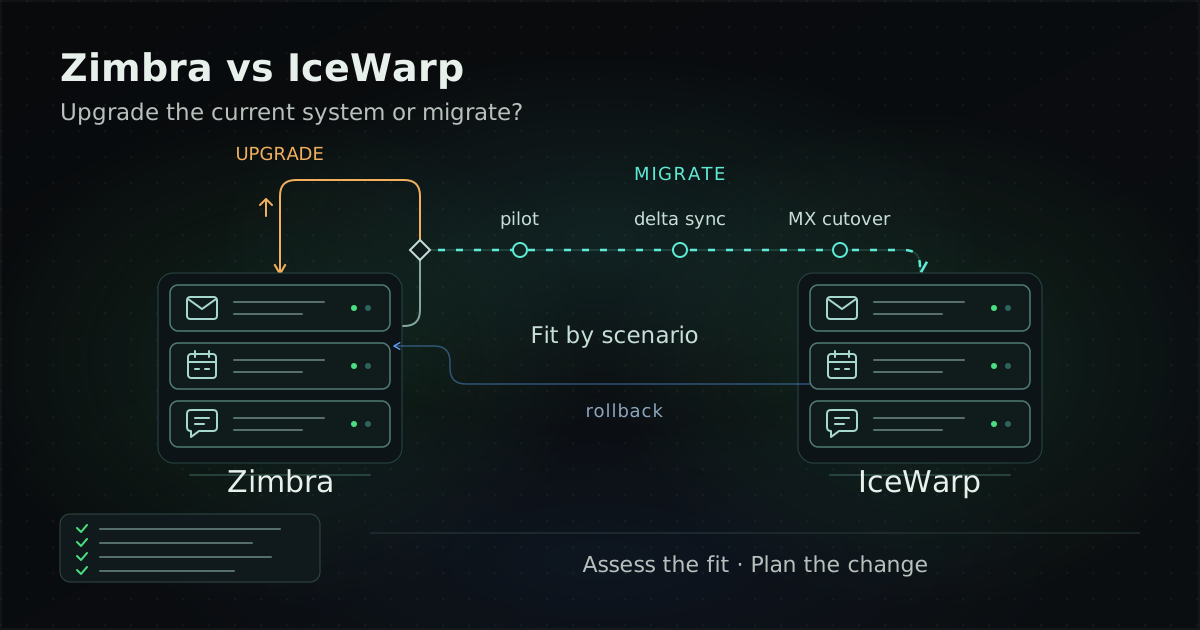
Zimbra vs IceWarp: business email compared, upgrade or migrate?
English edition
Zimbra Collaboration Suite (ZCS) and IceWarp can both be self-hosted. Zimbra 10.1 runs on Linux (Standard or Professional); IceWarp runs in the cloud or self-hosted on Windows or Linux, priced per user. Choose by team, clients and data location.

Linux performance tools: choose the measurement before changing the system
English edition
A practical guide to CPU, memory, storage and network observations for Linux performance investigation.